
Japanese Names for Girls: Beautiful and Meaningful Choices
Choosing the perfect name for a baby girl can be a meaningful and exciting journey. Japanese girl names offer a rich tapestry of meanings, often inspired by nature, virtues, and cultural traditions. With their unique sounds and beautiful symbolism, these names can provide a deep connection to heritage or simply offer an enchanting name for a new arrival.
Japanese names are often composed of kanji, which are characters that each have specific meanings. This allows names to be personalized and significant, making them more than just a label. Popular themes include elements like flowers, seasons, and qualities such as wisdom or beauty. Parents selecting a name may consider the cultural significance and sound, as well as how it fits into both traditional and modern contexts.
Modern trends in Japanese girl names reflect both a respect for tradition and a desire for uniqueness. Some parents are leaning toward names that are simple and easy to pronounce, while others are opting for combinations that have a deeper personal or cultural resonance. This blend of history and modernity ensures that there is a Japanese name perfectly suited for every baby girl.
Japanese names for girls
Here’s a list of Japanese names for girls, categorized for variety and inspiration:
1. Nature-Inspired Names
- Sakura (桜) – Cherry blossom
- Aoi (葵) – Hollyhock or blue
- Yuki (雪) – Snow
- Hana (花) – Flower
- Sora (空) – Sky
- Kaze (風) – Wind
- Haru (春) – Spring
- Natsu (夏) – Summer
- Momiji (紅葉) – Maple leaf
- Akari (明里) – Brightness
- Midori (緑) – Green
- Umi (海) – Sea
- Kiri (霧) – Mist
- Ame (雨) – Rain
- Tsubaki (椿) – Camellia
- Hotaru (蛍) – Firefly
- Hinata (陽向) – Sunflower or sunny place
- Mizuki (瑞希) – Beautiful moon
- Kaede (楓) – Maple tree
- Hikari (光) – Light
2. Elegant and Timeless Names
- Akiko (明子) – Bright child
- Emiko (恵美子) – Beautiful, blessed child
- Misaki (美咲) – Beautiful bloom
- Sayuri (小百合) – Little lily
- Yukiko (雪子) – Snow child
- Chiyoko (千代子) – Eternal child
- Naomi (直美) – Honest and beautiful
- Haruko (春子) – Spring child
- Michiko (道子) – Child of the road
- Tomoko (智子) – Wise child
- Noriko (典子) – Lawful child
- Yumiko (由美子) – Reason and beauty child
- Reiko (麗子) – Lovely child
- Keiko (恵子) – Blessed child
- Hanako (花子) – Flower child
- Setsuko (節子) – Child of seasons
- Mariko (真理子) – Truth child
- Sachiko (幸子) – Happy child
- Fumiko (文子) – Literary child
- Hiroko (宏子) – Generous child
3. Modern and Trendy Names
- Aiko (愛子) – Love child
- Riko (莉子) – Jasmine child
- Hina (陽菜) – Sun vegetable
- Mei (芽依) – Bud or sprout
- Yuna (優奈) – Gentle or kind
- Rina (里奈) – Village greens
- Mio (美緒) – Beautiful thread
- Koharu (小春) – Little spring
- Ayaka (彩花) – Colorful flower
- Saki (咲) – Blossom
- Reina (怜奈) – Wise and beautiful
- Nao (奈央) – Honest center
- Ema (絵馬) – Picture horse (votive tablet)
- Koko (心) – Heart or mind
- Arisa (有紗) – Graceful and intelligent
- Yume (夢) – Dream
- Rio (莉央) – Jasmine center
- Risa (梨咲) – Pear bloom
- Noa (乃愛) – My love
- Ami (亜美) – Asia and beauty
Check out Korean Names for Girls: Unique and Creative
4. Virtue and Meaningful Names
- Ai (愛) – Love
- Yume (夢) – Dream
- Rei (礼) – Gratitude or courtesy
- Kana (佳奈) – Beautiful
- Sachi (幸) – Happiness
- Michi (道) – Path
- Shinobu (忍) – Endurance
- Megumi (恵) – Blessing
- Aimi (愛美) – Love and beauty
- Takara (宝) – Treasure
- Chie (智恵) – Wisdom
- Haruka (遥) – Faraway
- Masumi (真澄) – True clarity
- Kiyomi (清美) – Pure beauty
- Akemi (明美) – Bright beauty
- Ayumi (歩) – Walk or progress
- Shizuka (静) – Quiet or calm
- Tomomi (朋美) – Beautiful friend
- Yoshiko (良子) – Good child
- Natsuki (夏希) – Summer hope
5. Elegant and Traditional Names
- Sayuri (小百合) – “Little lily”
- Akari (灯里) – “Bright light”
- Misaki (美咲) – “Beautiful bloom”
- Kohana (小花) – “Little flower”
- Miyu (美優) – “Beautiful gentleness”
- Shizuku (雫) – “Water droplet”
- Kaede (楓) – “Maple tree”
- Nozomi (望) – “Wish, hope”
- Kiyomi (清美) – “Pure beauty”
- Amane (天音) – “Heavenly sound”
- Nagi (凪) – “Calm”
- Riko (莉子) – “Child of jasmine”
- Hinata (陽向) – “Sunflower”
- Nao (尚) – “Esteem, respect”
- Asuka (飛鳥) – “Flying bird”
- Aika (愛佳) – “Love song”
- Himari (陽葵) – “Sunshine and hollyhock flower”
- Suzu (鈴) – “Bell”
- Rin (凛) – “Dignified”
- Yuzuki (柚月) – “Citrus moon”
6. Short and Sweet Names
- Mio (美緒) – Beautiful thread
- Ai (愛) – Love
- Mei (芽依) – Bud
- Rio (莉央) – Jasmine center
- Rei (礼) – Gratitude
- Aki (秋) – Autumn
- Yui (結衣) – Binding clothes
- Ena (恵菜) – Blessed greens
- Asa (朝) – Morning
- Nao (奈央) – Honest center
- Rin (凛) – Dignified
- Emi (恵美) – Blessed beauty
- Ami (亜美) – Asia and beauty
- Tsu (津) – Harbor
- Noa (乃愛) – My love
- Sia (詩) – Poem
- Aya (彩) – Color
- Uki (憂希) – Hopeful joy
- Kyo (京) – Capital
- Ria (莉亜) – Jasmine and Asia
Check out Chinese Names for Girls: Meaningful Choices and Cultural Significance
7. Seasonal Names
Spring-Inspired Names:
- Haru (春) – Spring
- Sakura (桜) – Cherry blossom
- Sumire (菫) – Violet flower
- Hinata (陽向) – Sunny place
- Tsubaki (椿) – Camellia
Summer-Inspired Names: 6. Natsu (夏) – Summer
7. Kaede (楓) – Maple tree
8. Risa (梨咲) – Pear blossom
9. Hotaru (蛍) – Firefly
10. Kaho (夏穂) – Summer ear of grain
Autumn-Inspired Names: 11. Aki (秋) – Autumn
12. Akiko (秋子) – Autumn child
13. Momiji (紅葉) – Maple leaf
14. Fuyuka (冬香) – Autumn fragrance
15. Hazuki (葉月) – Month of leaves
Winter-Inspired Names: 16. Yuki (雪) – Snow
17. Fuyumi (冬美) – Winter beauty
18. Miyuki (美雪) – Beautiful snow
19. Shizuka (静) – Quiet
20. Setsuna (雪菜) – Snow greens
Historical and Cultural Context
Japanese names for girls are deeply rooted in history and culture. They often reflect significant meanings related to nature, virtues, and beliefs. Over time, these names have evolved while maintaining their cultural significance. This section explores the importance, development, and themes of Japanese girl names.
Significance of Names in Japanese Culture
In Japanese culture, names hold great importance. They are not simply labels but are chosen with care, often to convey specific virtues or wishes for the child’s future. Traditionally, names are meant to bring good fortune and reflect the family’s values.
Names can be linked to nature, seasons, or family heritage. This reflects a belief that names influence one’s destiny and future. Consulting astrologers or choosing auspicious symbols for naming used to be common practices. Japanese names continue to hold power and meaning in society today, integrating cultural traditions and expressing individual identity.
Evolution of Japanese Girl Names
Japanese girl names have undergone changes over the centuries. Historically, during periods like the Heian era, names were elaborate and often inspired by poetry or nature, reflecting the refined culture of the court. This period was critical in shaping naming traditions with emphasis on aesthetic and lyrical qualities.
In modern times, there is a blend of traditional and Western influences in Japanese names. This shift reflects broader social and cultural changes in Japan. Names are now often simpler yet retain meaningful elements. This evolution shows how names adapt while staying rooted in cultural heritage. Linking these changes to different historical periods provides insights into the dynamic nature of Japanese society.
Common Themes and Meanings
Common themes in Japanese girl names often revolve around nature, beauty, and virtues. Names like “Hana” (flower) or “Yuki” (snow) are inspired by the natural world, showcasing the connection between names and the environment.
Virtues like wisdom and purity are also reflected in names. Names such as “Aiko” (child of love) emphasize positive feelings and relationships. Meanings are not just symbolic but are chosen to express hopes and aspirations for the child. This thematic richness exemplifies the careful thought put into naming in Japanese traditions, ensuring each name has a profound resonance.
Popular Naming Conventions
Japanese names for girls are rich in history and symbolism. They often reflect cultural values, nature, and personal traits. Understanding these naming conventions can give insights into their cultural significance.
Kanji Characters and Their Meanings
Japanese names commonly use kanji, which are characters borrowed from Chinese. Each kanji has a meaning, and names often combine characters to express qualities or hopes. For example, the name Rin can mean dignified or companion, depending on the characters used. Eri might represent a blessing or grace. Parents choose kanji with care to convey desires for their child’s future.
Names like Sakura, meaning cherry blossom, are also popular and carry strong cultural significance. Cherry blossoms symbolize beauty and the fleeting nature of life. The use of kanji allows for a deep layer of meaning in each name, making them both personal and culturally rich.
Syllable Structure in Japanese Names
Japanese names often have a simple syllable structure, typically following a consonant-vowel combination. This structure contributes to the melodious sound of names such as Ren, which is straightforward and easy to pronounce. Similarly, Ai involves smooth, flowing syllables.
Some names, like Yuki, can function as both a first name and a surname. This interchangeability is a unique characteristic of Japanese naming. Haru is another example, made up of simple syllables that flow easily. The syllable patterns make these names adaptable and appealing, both within and outside Japan.
Influence of Nature on Names
Nature plays a significant role in Japanese naming conventions. Names often reflect elements of the natural world. Hana, meaning flower, embodies beauty and simplicity. Many parents select nature-inspired names to express a connection to the environment and traditional aesthetics.
Sakura represents cherry blossoms, an important symbol of the country’s culture. Similarly, Yuki, meaning snow, offers imagery of purity and serenity. These nature-inspired names evoke specific qualities and are chosen to instill a sense of harmony and balance in the individual. Whether it’s flowers, seasons, or weather, nature profoundly influences Japanese naming practices.
Modern Trends in Japanese Girl Names
Japanese girl names are evolving with cultural trends. They are influenced by short and cute forms, pop culture, and international styles. Names like Aiko and Yui are gaining popularity due to their simplicity and appeal.
Rising Popularity of Short and Cute Names
In recent years, short and cute names have become trendy in Japan. Parents prefer names that are easy to pronounce and remember. Names like Aiko, Yui, and Saki fit this trend well. These names often have playful sounds and simple kanji.
The appeal of short names lies in their flexibility. They pair well with various surnames and can easily be combined with suffixes or prefixes. This versatility makes them attractive choices for new parents.
Names Inspired by Pop Culture
Pop culture has a noticeable impact on baby names in Japan. Anime, manga, and popular TV shows introduce unique names to the public. Characters become inspirations for baby names, contributing to trends. Names like Hinata and Akari have become favored due to beloved characters in popular series.
These names often carry meanings linked to brightness or beauty. The connection with cherished media makes them more than just names; they become part of a shared cultural experience.
International Influence on Name Selection
International trends are increasingly influencing Japanese baby names. Globalization has exposed Japanese families to non-traditional names and western naming styles. Names like Haruka and Hikari have gained popularity due to their adaptability and modern feel.
The appeal of international influence lies in its cultural blend. It allows parents to choose names that reflect both Japanese heritage and global awareness. Many find this balance appealing in an interconnected world, offering distinctive yet meaningful names for children.
Pronunciation and Writing
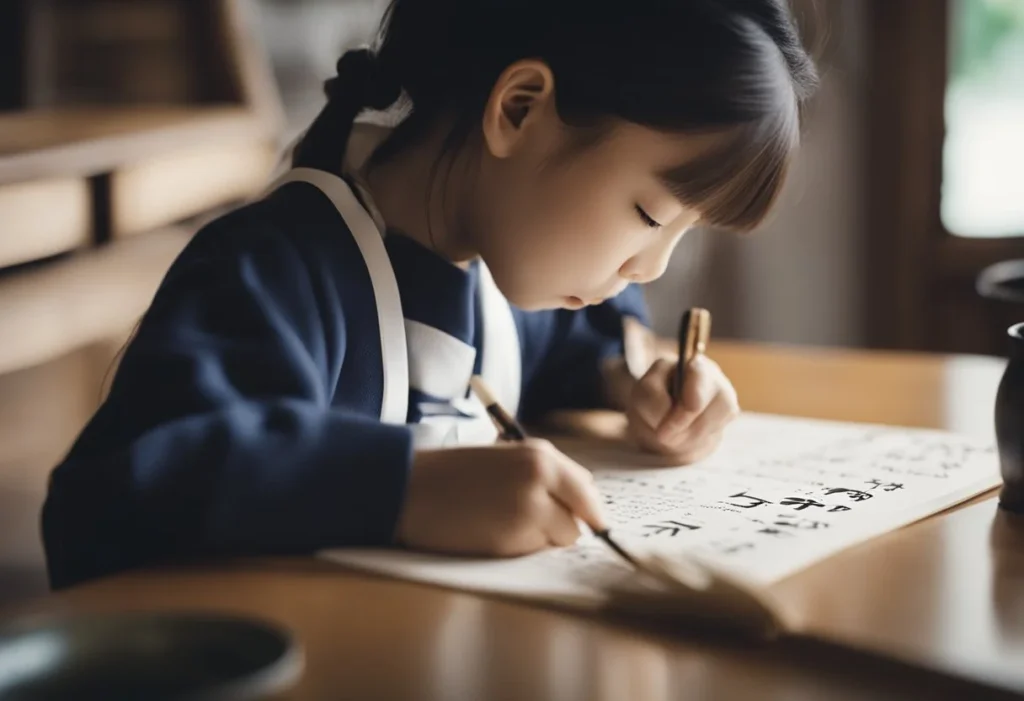
Understanding Japanese names involves grasping their pronunciation and the different writing systems used. It’s important to pay attention to how names like Chiyo, Kaori, and Kiyomi are said and written, especially for those unfamiliar with the language.
Pronunciation Guide for Non-Native Speakers
Japanese names often include syllables that might not be immediately intuitive for English speakers. For instance, Chiyo is pronounced as chee-yo, with a soft “chi” sound. Kaori is ka-o-ri, where “ka” is pronounced like “car.” Kiyomi breaks down to kee-yo-mee, ensuring each syllable is clear.
There are some general pronunciation rules that help. Vowels in Japanese are monophthongs, meaning they keep the same sound. “A” is like “ah,” “I” is “ee,” “U” is “oo,” “E” is “eh,” and “O” is “oh.” This basic guide can help with names like Keiko (kei-ko) and Sachiko (sa-chi-ko), making each syllable distinct and smooth.
Writing Japanese Names in Roman Alphabet
Japanese names are traditionally written in kanji, a complex character system. However, for international ease, names are often written in Roman alphabet, known as romaji. This translation preserves the pronunciation while making names accessible.
Here’s how some names are transliterated:
- Chiyo: ちよ
- Kaori: かおり
- Keiko: けいこ
- Sachiko: さちこ
- Kiyomi: きよみ
When writing in romaji, it’s vital to maintain accurate spelling to convey the correct sounds. Although written in Roman letters, these names still follow the phonetic rules of Japanese, ensuring that non-Japanese speakers can pronounce and appreciate them correctly.
Regional Variations and Dialects
Japanese names carry deep cultural meanings, reflecting diverse regional traditions and speech patterns. These variations influence both given names and family names across Japan.
Prefecture-Specific Naming Practices
In the prefectures of Japan, names are often inspired by natural features, historical figures, or local legends. For instance, in Okinawa, unique names like Yumi and Asuka are common due to the region’s distinct linguistic heritage. In contrast, in Kyoto, names such as Mika and Naomi may reflect historical or literary references.
Due to these historical influences, parents might choose names like Misaki for their symbolic connections to nature or cultural heritage within a specific area. Even today, these unique naming practices celebrate the local identity of each prefecture in Japan, preserving cultural traditions through generations.
Dialect Influence on Name Choices
Dialects play a significant role in name selection across Japan. The Kansai region, known for its distinct dialect, may favor names like Minako that reflect the local pronunciation and style. In other areas, such as Tohoku, the dialect influences phonetic characteristics, potentially affecting the choice of characters used in names.
Parents may also choose names such as Naomi or Misaki because the meaning suits their dialect’s sound or cultural significance. These dialectal differences add richness to naming customs, showcasing how language shapes identity and cultural expression, making each name choice uniquely connected to its regional background.
Meaningful Name Combinations
Japanese names often use combinations of kanji characters to create names that carry deep meaning. These combinations allow parents to choose names that not only sound beautiful but also hold special significance.
Combining Characters for Depth of Meaning
Japanese parents often combine two or more kanji characters to give their child’s name depth and richness. Each kanji has its own meaning, so the combination can tell a unique story. For instance, the name Emi could be written using kanji that mean “blessing” and “beauty,” creating a name that signifies a blessed beauty.
Names like Mei, which can combine kanji for “brightness” and “life,” offer layered meanings that reflect positive traits or wishes for the child. This practice ensures that names are not only phonetically pleasing but also carry values and traits important to the family.
Popular Kanji Combinations
Certain kanji combinations are favored for their beautiful meanings and sounds. Mai might be formed using kanji for “dance” and “clothing,” offering a lively and graceful image. Similarly, Aya, which can mean “colorful” and “design,” evokes a sense of creativity and beauty.
Names such as Yuna and Yuri are popular for their pleasant sounds and meanings. Yuna might use characters for “gentle” and “vegetable,” while Yuri could combine “lily” and “reason,” each shaping a botanical elegance. These blends of kanji allow for both traditional and modern interpretations, catering to diverse preferences.
For the name Rei, kanji like “gratitude” or “bell” are popular choices, adding layers of meaning that can be personalized to reflect parents’ aspirations for their child.
Choosing a Japanese Name
When choosing a Japanese name for a girl, there are many aspects to take into account. These include cultural significance, pronunciation, and meaning. Non-Japanese parents should approach this thoughtfully, aiming for respect and appreciation of the culture.
Considerations for Naming Children
Selecting a name like Aki, Kimi, or Rina involves understanding its meaning and cultural relevance. Aki can mean “bright,” while Kimi implies “noble.” It’s important to consider how the name aligns with family values or desired traits.
Names like Sora (meaning “sky”) and Nami (meaning “wave”) reflect elements of nature, which are common themes in Japanese naming. Make sure the name is easy to pronounce and doesn’t sound like a negative word in another language.
Japanese names often carry deep cultural heritage. For instance, Rika can mean “pear blossom,” which suggests beauty and elegance. Ensuring the name carries positive connotations and fits well with the child’s identity is important.
Tips for Non-Japanese Parents
Non-Japanese parents choosing names like Madoka or Ayame should consider consulting native speakers or cultural guides to avoid unintended meanings. Madoka may mean “circle” or “calm,” while Ayame means “iris,” a type of flower.
Research is key. Understanding the significance behind Japanese names ensures respectful use. By studying names like Sora or Nami, parents can appreciate the deep connections to nature and culture they embody.
It’s advisable to embrace the cultural context when picking a name. Doing so not only enriches the child’s identity but also reflects an awareness of and sensitivity toward Japanese customs and traditions. Seeking insights from Japanese-speaking communities can further enhance the decision-making process.
Name Variants and Nicknames
Japanese names often have both formal and casual versions due to cultural preferences. Shortened forms and affectionate suffixes are common, reflecting familiarity and intimacy. Below, important differences between formal and casual uses, as well as some popular derivatives for Japanese girls’ names, are explained.
Formal vs. Casual Name Uses
In Japan, the distinction between formal and casual name uses is essential. Formal names, like Akiko and Emiko, are used in professional settings and official documents. These names show respect and uphold tradition.
Casual names reflect closeness. Akiko may become Aki-chan, adding the affectionate suffix “-chan” to show warmth. Similarly, Satomi might be affectionately referred to as Sato-chan. These casual forms are common among friends and family. The use of suffixes such as “-chan” for girls often adds an informal touch that signals friendship or affection.
The flexibility in name uses is deeply rooted in Japanese culture. Being aware of the appropriate context is vital for communication and relationship building.
Common Nicknames Derived from Full Names
Japanese nicknames are often shortened versions of full names. Hiro from Hiroko, or Yoko from Yoshiko, are typical examples. These simpler forms create a friendly atmosphere.
Another example is Kaede, which might become Kae. Mayumi could be shortened to Mayu. Each shortened form often retains the original meaning and sound but becomes more intimate.
These nicknames, by maintaining some features of the full names, keep a sense of identity while adapting to everyday social interactions. They help convey a personal connection, while still respecting the cultural values inherent in the names.
Ceremonial and Legal Aspects

Japanese names for girls like Fumiko and Mariko carry significance beyond their meanings. They play an important part in both ceremonial and legal contexts, where traditions and regulations come together.
Names in Birth, Marriage, and Other Ceremonies
In Japan, naming a child is a meaningful event. Parents often choose names like Fumiko or Airi for their beauty and the values they represent. This ceremony can involve family gatherings where the selected name is announced. The use of kanji in names is crucial; each character contributes to the name’s meaning and reflects traits that the family hopes the child will possess.
During marriage ceremonies, women might undergo a name change. Traditionally, they could adopt their husband’s surname and sometimes adapt their given name to honor familial ties. Names like Hitomi or Kokoro could be linked to new family customs or roles.
These naming practices also appear in other ceremonies, including annual festivals and rites of passage. Each event stresses the importance of names and their role in personal and family identity.
Legal Considerations for Name Changes
Name changes in Japan are subject to specific legal processes. If an adult wants to change their name, possibly from Rumi to another name, they must apply through the family court. Reasons need to be concrete and often relate to situations like marriage, adoption, or gender transition.
The legal system ensures that names remain culturally and linguistically appropriate, given the structured use of kanji. This oversight maintains a balance between personal choice and cultural integrity.
Legal procedures can influence personal decisions, especially when considering names that carry particular significance such as Mariko. While cultural tradition holds weight, legal obligations ensure that names fit within regulatory frameworks.
Frequently Asked Questions
Japanese names for girls often have beautifully intricate meanings and can reflect various cultural and personal significance. Some names are unique and rare, while others carry powerful or dark meanings.
What are some unique Japanese names for girls?
Some unique Japanese names for girls include Airi, which means “love and jasmine” and Suzume, meaning “sparrow.” These names reflect both nature and emotions.
Can you list Japanese girl names with their meanings?
Examples include Sakura, which means “cherry blossom,” and Yuki, meaning “snow.” These names often highlight natural elements.
Which Japanese girl names are considered powerful?
Names like Akira, meaning “bright” or “clear,” and Reiko, which translates to “grateful child,” are considered powerful due to their positive and impactful meanings.
What are some beautiful and rare Japanese names for girls?
Names like Himari, which means “light” or “sun,” and Ayano, meaning “colorful world,” are both beautiful and rare in their tone and imagery.
Could you provide examples of Japanese girl names with dark or unique meanings?
Names such as Yami, which means “darkness,” and Aoiro, meaning “indigo blue,” carry darker or more unique meanings, often invoking deeper emotions or moods.
How are Japanese girls’ names chosen, and what cultural significance do they have?
Japanese girls’ names are often chosen based on their meanings, which can reflect family hopes or cultural values. Many names come from nature, virtues, or feelings and are selected to convey positive qualities or aspirations for the child’s future.
FURTHER READING






One Comment