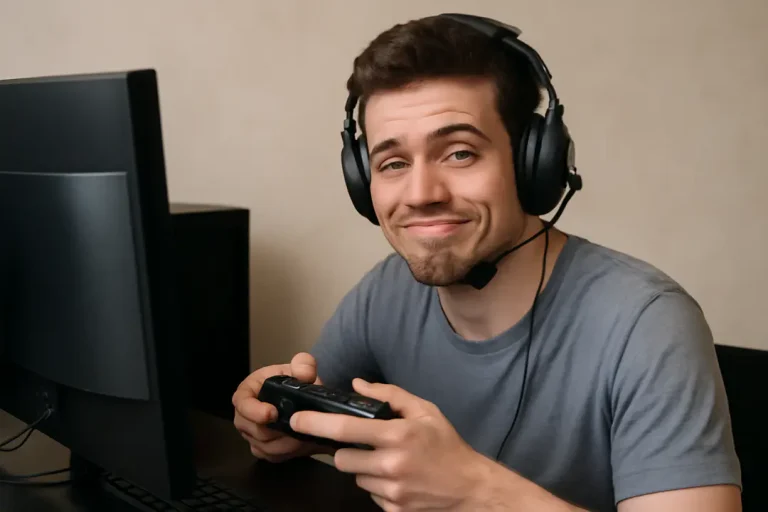
How to Build a Strong Gaming Team
In the rapidly expanding universe of competitive gaming and esports, the formation of a solid gaming team can be the difference between winning and losing. Whether you’re looking to dominate on a casual level in ranked matches or wish to compete on professional tournaments, assembling the right team takes more than gathering talent. Strategy, synergy, communication, and vision are needed.
This manual will guide you through all the steps involved in constructing a solid gaming team—from initial composition to long-term growth.
1. Define Your Goals
Before assembling a team, define what you want to achieve:
- Casual or Competitive? Will this team focus on ranked matches, local tournaments, or pro-level competitions?
- Game Selection: Identify the game(s) you’ll be focusing on—different games require different skill sets and team sizes.
- Short- and Long-Term Plans: Are you looking to build team chemistry over time, or assemble a team for an upcoming event?
Having a clear vision helps you attract like-minded players and avoids conflicts later.
2. Identify Key Roles and Positions
Every game has specific roles and responsibilities. A successful team balances these roles effectively. For example, in MOBA games like League of Legends, you need:
- Top laner
- Jungler
- Mid laner
- ADC
- Support
In FPS games like Valorant or CS:GO, roles might include:
- Entry fragger
- In-game leader (IGL)
- Support
- AWPer/sniper
- Lurker
Understanding these roles helps you recruit players who complement each other rather than overlap in skills.
3. Recruit the Right Players
When selecting players, skill is important, but not the only factor. Look for:
- Communication skills: Can they give and receive callouts calmly and effectively?
- Teamwork and Attitude: Avoid toxic players—even high-ranking ones. A poor attitude can destroy team morale.
- Consistency: A reliable, steady player is often better than someone who shines one game and disappears the next.
- Availability: Choose players who can commit to your schedule and participate regularly.
You can find potential teammates through:
- Discord servers
- Reddit communities (e.g., r/RecruitADuo, r/Valorant_LFG)
- In-game clans and guilds
- Tournament forums
4. Establish Communication Channels
Effective communication is the backbone of any team. Set up platforms to stay connected:
- Voice Chat: Discord, TeamSpeak, or in-game voice systems.
- Text Communication: WhatsApp, Discord text channels, Slack.
- Scheduling Tools: Google Calendar, Notion, or a simple shared spreadsheet to manage practice and match timings.
Also, agree on communication etiquette—clear callouts, no rage-quitting, and constructive criticism only.
5. Practice with Purpose
Casual playing isn’t enough. To truly grow, your team needs structured practice:
- Scrims (Scrimmages): Schedule matches against other teams to simulate real competition.
- VOD Reviews: Record matches and review them together to analyze mistakes and improve strategy.
- Drills: Warm-up exercises, aim trainers (like Aim Lab), map control drills, etc.
- Strategy Discussions: Plan and refine team tactics, such as executes, rotations, or hero picks.
Set clear practice goals for each session—don’t just “play to play.”
6. Assign a Leader or Coach
Every team needs someone to keep it organized and motivated:
- Team Captain or IGL: Leads in-game strategy and keeps players focused during matches.
- Coach (optional): An external analyst who helps with reviews, strategy building, and performance improvement.
- Manager (optional): Handles scheduling, registrations, and team logistics.
A good leader fosters teamwork, resolves conflicts, and sets the tone for discipline and professionalism.
7. Build Chemistry and Trust
Skill and tactics alone don’t win games—team chemistry often makes the difference. Build it by:
- Playing together regularly, even outside of official practice.
- Engaging in team-building activities (e.g., movie nights, casual games).
- Celebrating wins and learning from losses together.
- Giving feedback constructively, not emotionally.
Strong teams are like families—they trust and support each other through highs and lows.
8. Compete and Iterate
Once you’re prepared, enter competitions:
- Online tournaments (FaceIt, Battlefy, ESL, etc.)
- LAN events
- Ranked ladders or leagues
Use each game as a learning experience. After every match, ask:
- What went right?
- What went wrong?
- What can we improve?
Make adjustments to your strategy, training, or lineup as needed.
9. Promote Your Team (Optional)
If you’re serious about growing your brand:
- Create a Team Name and Logo
- Post Highlights on Social Media (Twitter, TikTok, YouTube)
- Stream Matches or Practice Sessions on Twitch
- Join a Team Finder Platform or Apply for Sponsorships
This builds your team’s identity and may open doors to sponsorship, recruitment, and more visibility.
10. Stay Committed and Adapt
Building a strong gaming team takes time, patience, and adaptability. Members may leave, strategies may fail, and losses will happen. The key is to stay committed, learn continuously, and evolve as a unit.
Keep the passion alive, and don’t forget to have fun—after all, that’s why you started gaming in the first place.
Final Thoughts
Building a formidable gaming squad is less about being great alone—though that’s part of it—and more about coordination, dedication, and togetherness. The proper folks, structure, and mental setup will make a team not just conquer matches, but build character with each battle.
You might be shooting for esports superstardom, or maybe just try to utterly smash your favorite multiplayer game with a posse. Whatever, these steps above will have you heading toward the spotlight.